

As electric vehicles become increasingly popular, many homeowners are faced with the decision of how to install an EV charger at their residence. The question on everyone’s mind is: should you attempt a DIY installation or hire a professional electrician?
Proper ev charger setup at home is crucial for safety and efficiency. While a DIY approach might seem cost-effective, it poses significant risks if not done correctly. On the other hand, hiring an electrician ensures a safe and compliant ev charger home installation, but at a potentially higher upfront cost.
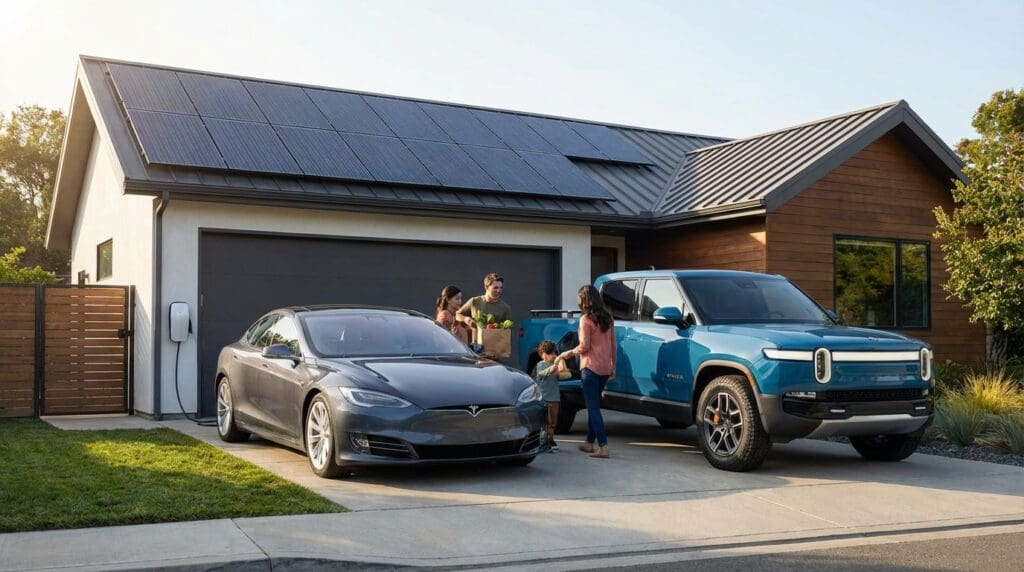
Understanding the implications of each choice is vital. The cost of ev charger installation can vary widely depending on several factors, including the complexity of the job and local labor rates.
Key Takeaways
- Proper EV charger setup is crucial for safety and efficiency.
- DIY installation poses significant risks if not done correctly.
- Hiring a professional ensures a safe and compliant installation.
- The cost of installation varies based on complexity and local labor rates.
- Understanding the implications of each choice is vital for homeowners.
Understanding EV Charger Basics
EV charger installation at home requires a basic understanding of the different types of chargers available and their respective power requirements. As electric vehicle (EV) ownership becomes more common, homeowners are faced with the task of choosing the right charger for their needs.
Types of EV Chargers Available for Home Use
There are several types of EV chargers available for home use, each with its own set of characteristics. Understanding these differences is crucial for making an informed decision.
Level 1 vs. Level 2 Chargers
Level 1 chargers use a standard 120-volt household outlet and are the most basic type of EV charger. They are convenient but charge slowly, typically at a rate of 2-5 miles per hour. Level 2 chargers, on the other hand, require a 240-volt charging station and charge much faster, at a rate of 10-25 miles per hour.
Key differences between Level 1 and Level 2 chargers:
- Level 1: 120V, slower charging
- Level 2: 240V, faster charging
Smart vs. Standard Chargers
Smart chargers offer advanced features such as scheduling, energy monitoring, and remote control through smartphone apps. Standard chargers lack these features but are often less expensive.
“Smart chargers can optimize your energy consumption and provide valuable insights into your charging habits.”
Power Requirements and Compatibility Considerations
Before installing an EV charger, it’s essential to consider the power requirements and compatibility with your vehicle.
Voltage and Amperage Needs
Most EV chargers require a dedicated 240-volt circuit. The amperage needs vary depending on the charger and vehicle, but 40 amps is a common requirement.
Vehicle-Specific Requirements
Different vehicles have different charging requirements. It’s crucial to check your vehicle’s specifications to ensure compatibility with the chosen charger.
| Charger Type | Voltage | Amperage | Charging Speed |
|---|---|---|---|
| Level 1 | 120V | 12-16A | 2-5 miles/hour |
| Level 2 | 240V | 40A | 10-25 miles/hour |
Assessing Your Home’s Electrical System
A thorough assessment of your home’s electrical system is necessary to determine its capacity to support an EV charger. This evaluation is crucial for a safe and efficient installation.
Evaluating Your Electrical Panel Capacity
Your electrical panel is the heart of your home’s electrical system. To ensure it can handle the additional load of an EV charger, you need to evaluate its capacity.
Understanding Load Calculations
Load calculations involve determining the total electrical load your home requires. This includes the power needed for lighting, appliances, and, of course, your EV charger. It’s essential to calculate this accurately to avoid overloading your electrical panel.
When Panel Upgrades Are Necessary
If your electrical panel is outdated or lacks sufficient capacity, an upgrade may be necessary. This can be a significant investment, but it’s crucial for safe and reliable operation. A professional electrician can assess your panel and advise on the best course of action.
Determining Ideal Installation Location
The location of your EV charger installation is critical for convenience and safety. You need to consider several factors to determine the ideal spot.
Indoor vs. Outdoor Installation
Whether you choose an indoor or outdoor installation depends on your specific situation. Outdoor installations require weather-resistant equipment, while indoor installations need to consider ventilation and accessibility.
Cable Length and Accessibility Factors
The length of the cable and accessibility to the installation location are vital considerations. A shorter cable run can reduce installation costs and improve efficiency. Ensure that the location is easily accessible for maintenance and operation.

By carefully evaluating your electrical panel capacity and determining the ideal installation location, you can ensure a successful EV charger installation. Whether you decide on a DIY approach or hire a professional for expert ev charger installation, this assessment is a critical first step.
The Complete EV Charger Home Installation Process
A successful EV charger home installation depends on thorough pre-installation planning, precise installation steps, and rigorous post-installation testing. This comprehensive process ensures that your EV charger is installed safely and functions optimally.
Pre-Installation Planning and Preparation
Before the actual installation begins, it’s crucial to undertake thorough planning and preparation. This stage is vital for identifying potential issues and ensuring a smooth installation process.
Site Assessment Checklist
Creating a site assessment checklist is an essential part of pre-installation planning. This checklist should include:
- Evaluating the distance between the electrical panel and the proposed charger location
- Assessing the condition and capacity of the electrical panel
- Identifying any potential obstacles or hazards
Gathering Necessary Permits
Obtaining the necessary permits is another critical step before commencing the installation. Homeowners should:
- Contact local authorities to determine the required permits
- Ensure compliance with local electrical codes and regulations
- Schedule inspections as required by local regulations
Installation Steps Overview
The actual installation of the EV charger involves several key steps. Understanding these steps helps ensure that the process is carried out correctly.
Mounting the Charger
Mounting the charger securely is crucial for its safe operation. This involves:
- Choosing a suitable location for the charger
- Ensuring the mounting surface is sturdy
- Following the manufacturer’s instructions for mounting
Wiring and Connection Process
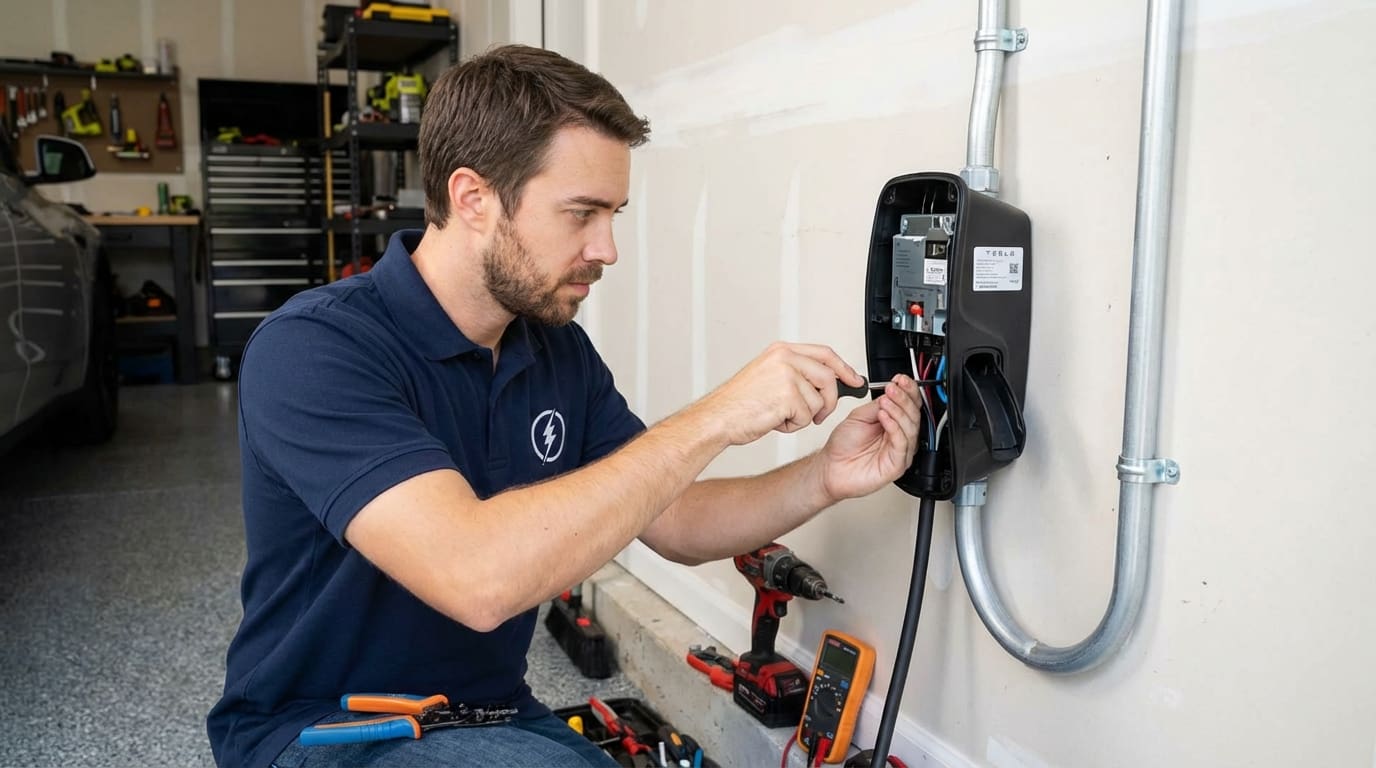
The wiring and connection process is a critical aspect of the installation. It involves:
- Connecting the charger to the electrical panel
- Ensuring all connections are secure and meet electrical codes
- Testing the wiring for any faults or issues
Post-Installation Testing and Verification
After the installation is complete, thorough testing and verification are necessary to ensure the charger operates safely and efficiently.
| Test | Description | Expected Outcome |
|---|---|---|
| Power On Test | Turn on the EV charger | Charger powers on without issues |
| Charging Test | Connect an EV and start charging | EV begins charging as expected |
| Safety Test | Check for any safety hazards or issues | No safety issues identified |
By following this comprehensive installation process, homeowners can ensure their EV charger is installed correctly, safely, and efficiently, providing a reliable charging solution for their electric vehicle.
DIY Installation: Is It Right for You?
The prospect of installing an EV charger yourself is appealing, but it’s crucial to assess your capabilities before diving in. Installing an EV charger at home can be a straightforward process if you have the right skills and knowledge.
Required Skills and Experience
A successful DIY EV charger installation requires a good understanding of electrical systems and safety protocols. You should have experience with electrical work or be comfortable with tasks that involve working with electrical circuits. Familiarity with your home’s electrical panel and its capacity is also essential.
Key skills to consider:
- Understanding of electrical safety protocols
- Experience with electrical circuit work
- Knowledge of your home’s electrical system
Tools and Materials Needed
To install an EV charger, you’ll need specific tools and materials. These typically include a voltage tester, wire strippers, and potentially a new electrical panel or circuit breaker if your current setup isn’t compatible. The EV charger unit itself is also a critical component, and you should ensure it’s compatible with your vehicle.
Essential tools and materials:
- Voltage tester
- Wire strippers and other electrical tools
- EV charger unit compatible with your vehicle
Common DIY Pitfalls to Avoid
While a DIY installation can be cost-effective, there are several pitfalls to be aware of. These include underestimating the complexity of the electrical work required, failing to comply with local electrical codes, and not ensuring the charger is properly installed and tested.
Common mistakes to avoid:
- Not assessing your electrical panel’s capacity
- Ignoring local electrical codes and regulations
- Inadequate testing of the EV charger post-installation
By understanding the requirements and potential pitfalls, you can make an informed decision about whether a DIY EV charger installation is right for you.
When to Call a Professional for EV Charger Installation
As electric vehicles become increasingly popular, knowing when to call a professional for EV charger installation is essential for homeowners. While some may consider DIY installation, certain situations require the expertise of a licensed electrician to ensure safety and efficiency.
Signs Your Installation Requires an Electrician
There are specific scenarios where calling a professional is not just recommended, but necessary. These include complex electrical scenarios and situations involving permit and inspection requirements.
Complex Electrical Scenarios
If your home’s electrical system is outdated or you’re planning to upgrade it to support the EV charger, it’s wise to consult an electrician. They can assess your system’s capacity and make necessary adjustments to support the additional load.
Permit and Inspection Requirements
Many jurisdictions require permits for EV charger installations, and a professional will be well-versed in these regulations. They will ensure that the installation is inspected and approved by the relevant authorities.

Benefits of Professional Installation
Opting for professional EV charger installation comes with several benefits, including warranty and insurance considerations, as well as time and stress savings.
Warranty and Insurance Considerations
Professional installations are typically backed by a warranty, providing peace of mind and protection against potential malfunctions. Additionally, insurance coverage is often more comprehensive for professionally installed equipment.
Time and Stress Savings
Hiring a professional saves you time and reduces stress. They handle the installation process, from planning to completion, ensuring that it’s done correctly and efficiently.
As “The future of transportation is electric”, and having a professional handle your EV charger installation is a step in the right direction. With their expertise, you can enjoy the benefits of EV ownership without the hassle of potentially complicated electrical work.
“Hiring a professional for EV charger installation is not just about avoiding risks; it’s about ensuring a seamless and efficient charging experience.”
Cost Comparison: DIY vs. Professional EV Charger Installation
EV charger installation costs can vary significantly depending on whether you choose to DIY or hire a professional. Understanding these costs is crucial for making an informed decision that aligns with your budget and technical capabilities.
Breakdown of DIY Installation Costs
When opting for a DIY installation, several costs come into play. These include the expenses associated with the equipment and materials necessary for the installation.
Equipment and Materials
The cost of the EV charger itself is the most significant expense. Prices can range from $300 to $1,000, depending on the charger’s power output and features. Additional materials, such as wiring and connectors, may add another $100 to $300 to the total cost.
Tool Purchases or Rentals
Depending on your existing toolkit, you may need to purchase or rent specific tools for the installation. This could include a voltage tester, wire strippers, and a drill. The cost for these tools can vary but typically ranges from $50 to $200.
Professional Installation Pricing Factors
Hiring a professional for your EV charger installation comes with its own set of costs. These are influenced by several factors, including the electrician’s labor rate and the complexity of the installation.
Standard Service Rates
Professional electricians typically charge an hourly rate, which can range from $75 to $150 per hour. The total labor cost will depend on the number of hours required to complete the installation.
Additional Costs for Complex Installations
Complex installations, such as those requiring upgrades to your electrical panel or running long distances of wiring, can significantly increase the overall cost. These additional costs can range from a few hundred to several thousand dollars, depending on the complexity of the work.
In conclusion, while DIY installation may seem cost-effective upfront, it’s essential to consider the potential risks and additional costs associated with incorrect installations. On the other hand, professional installation, although more expensive initially, offers the assurance of a job well done and compliance with safety standards.
Safety Considerations for EV Charger Home Installation
Safety should be the top priority when installing an EV charger at home, involving both electrical safety protocols and code compliance. Ensuring a safe installation process protects not only the homeowner but also the community.
Electrical Safety Protocols
When installing an EV charger, it’s crucial to follow proper electrical safety protocols to minimize risks. This includes understanding how to work with high voltage systems and ensuring appropriate circuit protection.
Working with High Voltage
High voltage systems require special precautions. It’s essential to turn off the power supply before starting work and use proper personal protective equipment (PPE) to avoid electrical shock.
Circuit Protection Requirements
Circuit protection is vital to prevent overheating and potential fires. This involves installing the correct circuit breakers and ensuring that the electrical panel can handle the additional load.
Code Compliance and Permits
Compliance with electrical codes and obtaining necessary permits are critical steps in the installation process. This ensures that the installation meets safety standards and is inspected by local authorities.
National Electrical Code Guidelines
The National Electrical Code (NEC) provides guidelines for safe electrical installations. Following NEC guidelines helps ensure that the EV charger installation is safe and compliant with national standards.
Local Inspection Processes
After installation, local authorities will inspect the work to ensure compliance with local electrical codes and regulations. This step is crucial for obtaining the necessary certifications and ensuring the installation is safe for use.
| Safety Aspect | Description | Importance |
|---|---|---|
| High Voltage Handling | Proper techniques for working with high voltage systems | High |
| Circuit Protection | Installation of appropriate circuit breakers and fuses | High |
| NEC Compliance | Adherence to National Electrical Code guidelines | High |
| Local Permits | Obtaining necessary permits before installation | High |
Finding the Best EV Charger Installation Service
The key to a seamless EV charger installation lies in choosing a reliable and professional service provider. With the increasing demand for electric vehicle charging solutions, numerous installation services have emerged, making it crucial to identify the best fit for your needs.
Qualities to Look for in Professional Installers
When searching for an EV charger installation service, there are several qualities you should look for in potential installers.
Certification and Experience
Ensure that the installers are certified by relevant bodies and have extensive experience in EV charger installations. This guarantees that they are up-to-date with the latest technologies and installation practices.
Customer Reviews and Reputation
Check customer reviews and the overall reputation of the installation service. A reputable service with positive reviews is more likely to provide a satisfactory installation experience.
Questions to Ask Before Hiring
Before hiring an EV charger installation service, it’s essential to ask the right questions to ensure you’re making an informed decision.
Quote and Timeline Expectations
Request a detailed quote that includes all costs associated with the installation. Also, ask about their expected timeline for completion to plan accordingly.
Warranty and Support Offerings
Inquire about the warranty they offer on their work and the support available post-installation. A comprehensive warranty and responsive support are indicators of a reliable service.
| Factor | Importance | What to Look For |
|---|---|---|
| Certification | High | Relevant certifications from recognized bodies |
| Experience | High | Extensive experience with various EV charger models |
| Customer Reviews | Medium | Positive reviews on independent platforms |
| Warranty | High | Comprehensive warranty covering parts and labor |
By carefully evaluating these factors and asking the right questions, you can find the best EV charger installation service for your needs, ensuring a safe and efficient charging solution for your electric vehicle.
Conclusion: Making the Right Choice for Your EV Charger Setup at Home
Setting up an EV charger at home can be a straightforward process if you consider the right factors. When deciding between a DIY installation and hiring a professional, it’s essential to weigh the importance of safety, cost, and efficiency.
A home EV charger installation requires careful planning to ensure it meets your electrical system’s capacity and is installed in an ideal location. While a DIY approach might seem cost-effective, it’s crucial to consider the potential risks and the cost of any necessary corrections if the installation is not done correctly.
The ev charger installation cost can vary significantly depending on whether you choose a DIY or professional installation. Professional electricians can provide a safe and efficient installation, potentially saving you money in the long run by avoiding costly mistakes.
Ultimately, making the right choice for your EV charger setup at home involves considering your specific needs, the complexity of the installation, and your budget. By choosing the right installation method, you can enjoy a seamless and efficient EV charging experience.